

Shifting Currents: Reflections on the Global Art Market in 2023
- Dec 7, 2023
- 3 min read
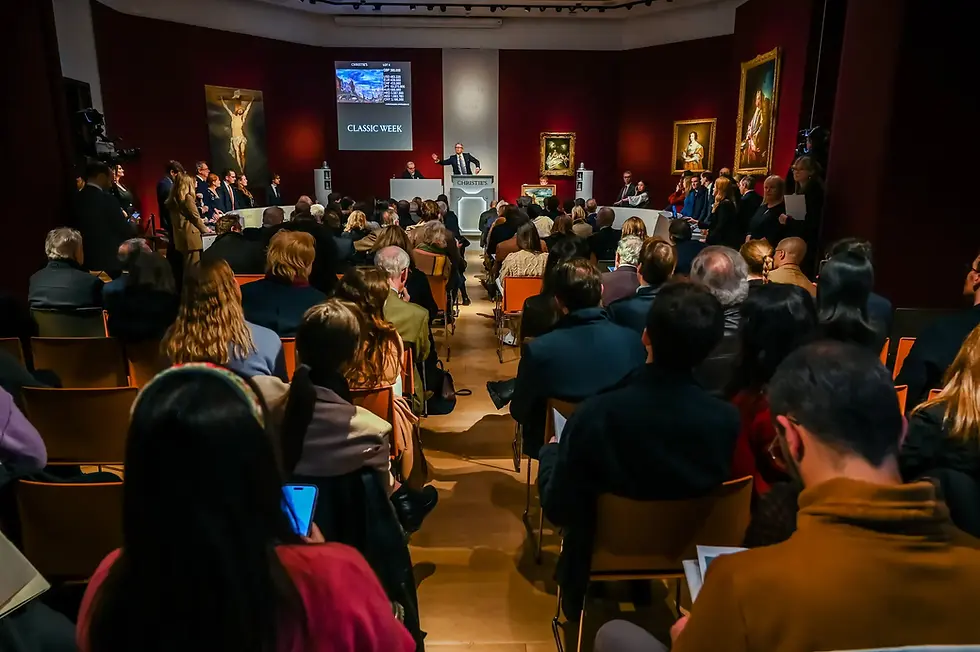
In the wake of the tumultuous journey through the Covid-19 pandemic, the art world now finds itself at a crossroads, grappling with the ramifications of inflation, soaring interest rates, and geopolitical conflicts. As Art Basel Miami Beach reaches its 21st year, where sun, sand, and champagne blend seamlessly with gallery displays, outdoor art installations, and beach parties, beneath the surface lies a narrative of change and recalibration within the global art business.
Industry professionals aptly describe this juncture as a necessary correction following a period of unprecedented growth. The lavish buffet of artists and valuations, once a hallmark of the art world, has given way to a more discerning palate. The excesses of the past have led many to reassess their choices, striving for selectivity in both acquisition and appreciation.
The economic backdrop has led to a perceptible slowing down, a natural consequence when financial considerations are amplified.
In this nuanced landscape, the influence of inflation and high interest rates becomes undeniable. The economic backdrop has led to a perceptible slowing down, a natural consequence when financial considerations are amplified. Experts rightly point out that luxury spending, often associated with the art market, tends to wane during times of conflict, as witnessed in regions like Ukraine and the Middle East.
The empirical evidence provided by surveys reinforces these observations. A 16 percent decline in sales by major auction houses during the first half of 2023, compared to the preceding year, underscores the evolving dynamics of the art market. It is a reminder that even the art world, renowned for its resilience, is not impervious to the larger economic forces at play.
Amidst this backdrop, the opulent sales of iconic artworks, such as those by renowned artists, stand as beacons of individual triumphs. However, these successes do not obscure the overarching reality that the market share of art fairs, a vital component of the industry, has yet to reclaim its pre-pandemic glory. The shift to online viewing rooms during the pandemic has forever altered the dynamics of how art is showcased and experienced.
Prominent figures in the art fair circuit emphasize the heterogeneity of the market softening, citing variations based on pricing and geography. The contrasting fortunes of China and the United States serve as a microcosm of the intricate dance between economic factors and artistic appreciation.
Reflecting on the recent triumphs of fairs like Paris+, one wonders if this success is a harbinger of a new era. The allure of Paris, combined with curated artworks and concurrent exhibitions, presents a compelling model. Yet, as we contemplate the future, industry professionals inject a note of caution. In a market that demands more effort and an unwavering commitment to quality, the era of effortless sales might be a thing of the past.
The carefree days of "virtually free" borrowing are giving way to a more introspective and cautious approach to art acquisition.
The shifting demographics of art collectors, from the young and wealthy enthusiasts who once borrowed at historically low interest rates to a more circumspect approach in uncertain economic times, mark a notable evolution. The carefree days of "virtually free" borrowing are giving way to a more introspective and cautious approach to art acquisition.
As the global art market navigates these uncharted waters, a new risk emerges in the form of the conflict in the Middle East. The potential repercussions on the art market loom large, underscoring the interconnectedness of geopolitical events and the world of art.
The global art market stands at a pivotal juncture, not merely as a reflection of economic challenges but as a resilient and adaptive entity that responds to the ebb and flow of global dynamics. The confluence of economic uncertainties, changing collector demographics, and geopolitical risks paints a complex tableau, urging stakeholders to navigate with a discerning eye and a profound appreciation for the transformative power of art amidst the shifting currents of our times.


Comments